By Africa Risk Control – For most of its modern history, Senegal depended heavily on imported fuel to keep its lights on and its economy moving. Electricity generation relied largely on fuel oil purchased from abroad, leaving power prices exposed to global energy markets. Today, that structure is changing.
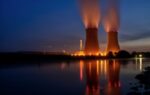
In 2025 Senegal exported its first cargo of liquefied natural gas (LNG) from the offshore Greater Tortue Ahmeyim project, marking the country’s entry into the ranks of energy producers. The project’s initial phase operates at around 2.5 million tons of LNG per year and represents one of the most significant economic developments in the country’s recent history. For Senegal, gas is not only an export commodity. It is intended to reshape the domestic economy.
From Fuel Imports to Domestic Power
As recently as 2022, nearly four-fifths of Senegal’s electricity was generated by thermal plants running on imported heavy fuel oil. This dependence made electricity costs sensitive to global oil price swings and limited industrial growth.
The government’s strategy aims to reverse that situation through a “gas-to-power” transition. Existing power stations are being converted to operate on domestic gas supply, including a widely discussed conversion project of a 335-megawatt power plant. By replacing imported fuel with locally produced gas, authorities hope to stabilize electricity tariffs and support manufacturing and industrial activity. If successful, this shift could significantly lower operating costs for businesses and improve reliability for households.
Export Revenue and Domestic Industry
Senegal now faces a balancing act familiar to many new energy producers. LNG exports generate foreign currency revenue, while using gas domestically helps reduce electricity prices and encourages economic diversification. Managing these two objectives requires careful planning. Too much focus on exports can leave domestic industry dependent on expensive energy, while prioritizing local use can reduce immediate revenue gains. The country’s policy direction will therefore shape how energy development affects broader economic growth.
Ports and Infrastructure Expansion
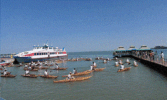
Energy development is also reshaping the country’s physical infrastructure. The existing Port of Dakar has grown steadily over the past decade, but space constraints inside the city limit expansion.
To support trade and energy activity simultaneously, Senegal is constructing the Ndayane deep-water port south of the capital. The project, valued at roughly $1.2 billion, is designed to handle larger cargo volumes and accommodate industrial and energy shipments.
The new port will complement existing facilities and is expected to strengthen the country’s position as a regional logistics hub. For businesses, improved port capacity may affect everything from shipping times to supply chain reliability.
A Transforming Economy
The combination of gas production, electricity reform, and port expansion signals a broader economic transition. Senegal is moving from a service-oriented coastal economy toward a mixed model that includes energy production and industrial growth.
For investors and companies watching West Africa, the country represents a market entering a new phase rather than starting from scratch. The institutions and trade networks already exist; energy resources are now being added to them.
Looking Beyond the Headlines
While the start of LNG exports is the most visible change, the practical impact depends on how power markets, infrastructure, and commercial relationships develop over time.
Africa Risk Control has published a detailed analysis explaining how Senegal’s emerging energy sector functions and what businesses should consider before entering partnerships. Read the full analysis on the Africa Risk Control platform
EDITOR’S NOTE– Africa Risk Control (ARC) is a due diligence and risk advisory service provider operating in dozens of African countries. Corporate Due Diligence, Risk Advisory, Country Risk Insights, Background Checks, Identity Verification (for banks, governments, and institutions), Verification for Citizenship by Investment / Donations Programs, Verification for Permanent Residency by Investment / Donation Programs, Source Wealth Verification, Competitor Intelligence, and Market Entry Research are some of the major services ARC has been providing.