By Africa Risk Control / Analysis – The escalation of conflict involving Iran has rapidly transformed from a regional confrontation into a global economic disruption. Energy supply chains and maritime security are at the center of this turmoil, and Ethiopia is already feeling the consequences.
At the heart of the crisis lies the Strait of Hormuz, the world’s most critical oil transit chokepoint. Nearly one-fifth of global petroleum flows through this narrow passage, and its disruption has triggered one of the largest supply shocks in modern energy markets. Oil prices have surged by more than fifty percent in just weeks, fueling inflationary pressures across continents.
The crisis does not stop there. The Bab el-Mandeb Strait, which connects the Red Sea to global shipping lanes, has emerged as another flashpoint. Threats from Houthi forces in Yemen have raised the stakes, creating a dual chokepoint crisis that could cripple global trade and energy flows.
For Ethiopia, the vulnerability is structural. As a landlocked nation, more than ninety percent of its imports—including fuel—move through the Djibouti corridor. The country relies almost entirely on refined petroleum products sourced from Gulf-linked supply chains, creating a direct transmission channel from Middle Eastern geopolitical disruptions into Ethiopia’s domestic economy.
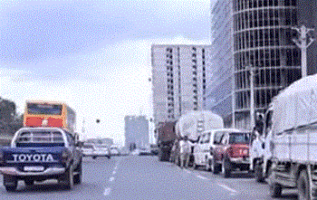
The effects are already visible. Long queues stretch outside fuel stations, with motorists waiting overnight. Diesel shortages have disrupted transport and logistics, while gasoline prices have leapt from around ETB 85 per liter before the crisis to ETB 142, with diesel surging past ETB 163. The government has responded with controlled distribution, prioritization of essential sectors, and even directives for non-essential public workers to take leave in order to reduce fuel demand. These measures, however, remain reactive rather than structural.
For households, the shock is immediate. Rising fuel costs ripple through the economy, driving up transport fares, food prices, and the cost of basic goods. Small businesses, squeezed by higher input costs, pass the burden directly to consumers. Inflation accelerates, industrial production slows, construction faces mounting expenses, and aviation becomes more costly.
Politically, the implications are profound. Ethiopia is already navigating internal tensions, particularly in regions such as Amhara. Now, rising fuel and food prices intensify social pressure, especially among urban and lower-income groups. Historically, cost-of-living increases have been a key driver of public dissatisfaction, and analysts warn that across Africa, similar fuel price hikes of fifteen to thirty-five percent are driving inflation and economic stress.
If disruptions deepen in both Hormuz and Bab el-Mandeb, Ethiopia could face even harsher consequences: deeper fuel shortages, higher inflation, and increased macroeconomic instability. What begins as a distant conflict in the waters of the Gulf and Red Sea ultimately lands in the daily lives of Ethiopians, at the fuel pump, in the food market, and in the rising cost of living.
The lesson is clear. Ethiopia is not insulated from global shocks. Its economy is deeply connected to international supply chains, and when those chains break, the consequences are felt at home. What starts as a geopolitical crisis abroad becomes a tangible cost paid by households across the country.
Suggestions for Peaceful Navigation
Countries like Ethiopia can mitigate these hardships without sliding into political turmoil by adopting strategies that balance immediate relief with long-term resilience:
- Transparent Communication: Governments should openly explain the causes of rising costs and the measures being taken. Transparency builds trust and reduces the risk of public anger turning into unrest.
- Targeted Subsidies: Temporary subsidies or support for essential goods—fuel, food staples, and transport—can shield vulnerable households from the worst effects of inflation.
- Diversification of Energy Sources: Investing in renewable energy such as solar and wind reduces dependence on imported fuel and cushions against external shocks.
- Regional Cooperation: Strengthening trade and energy partnerships with neighboring countries can create alternative supply routes and reduce reliance on single chokepoints.
- Community-Level Initiatives: Encouraging local food production, urban farming, and cooperative transport solutions can ease pressure on households while fostering solidarity.
- Dialogue and Inclusion: Policymakers should engage civil society, business leaders, and community representatives in crafting solutions. Inclusive dialogue helps prevent economic stress from escalating into political instability.
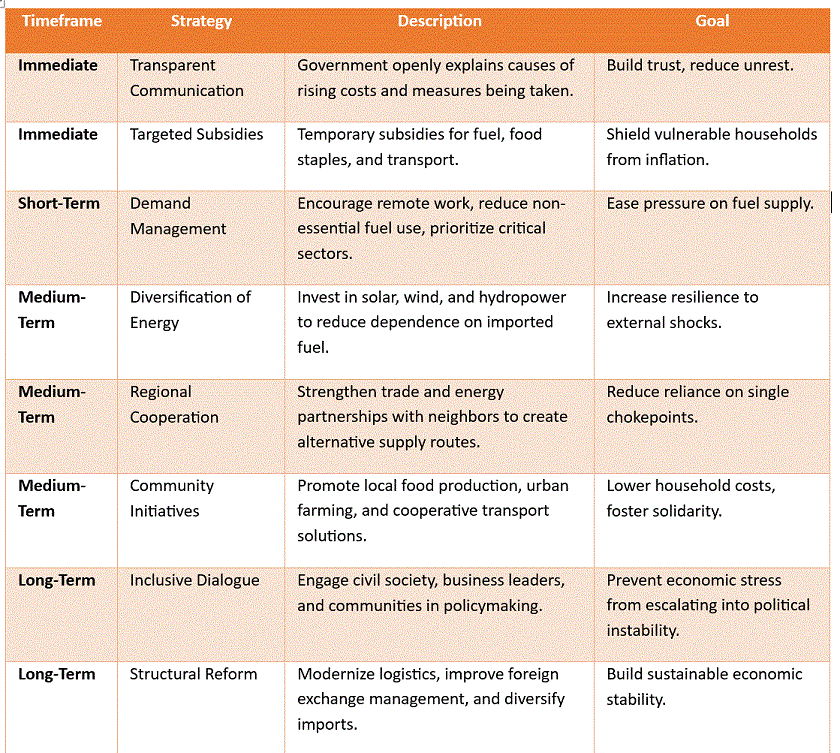
By combining short-term relief with long-term structural reforms, Ethiopia and similar nations can navigate global shocks peacefully, ensuring that hardship does not translate into political turmoil but instead becomes a catalyst for resilience and innovation.
EDITOR’S NOTE– Africa Risk Control (ARC) is a due diligence and risk advisory service provider operating in dozens of African countries. Corporate Due Diligence, Risk Advisory, Country Risk Insights, Background Checks, Identity Verification (for banks, governments, and institutions), Verification for Citizenship by Investment / Donations Programs, Verification for Permanent Residency by Investment / Donation Programs, Source Wealth Verification, Competitor Intelligence, and Market Entry Research are some of the major services ARC has been providing.