Ethiopia launches study to liberalize its financial system
Hit by severe forex shortage once again, the government of Ethiopia has launched a study that will allow to liberalize it financial system.
The Ethiopian Parliament today passes the African Continental Free Trade Area (AfCFTA) by officially beginning its journey to liberalization of the long awaited financial sector.
Digitization has been variously described as pivotal in ramping-up revenue collection for financing Africa’s development.
Chief Macroeconomist at the UN Economic Commission for Africa (UNECA), Adam Elhiraika, who is co-author of the 2019 Economic Report on Africa, advices African countries to abandon tax holidays for investors.
Ethiopian Ministry of Revenue collected over 130.7 billion birr ($4.6 billion) during the first eight months of Ethiopian budget year started July 8, 2018.
Malabo, the capital of Equatorial Guinea is set host the African Development Bank’s next Annual Meetings in June 2019, following the signing of a memorandum of understanding between the two sides.
The Government of Ethiopia is set to introduce bank directive that will allow smallholder farmers to use their cattle as collateral to access loan from banks.
As part of modernizing its services, the Ministry of Revenue of Ethiopia is set to fully collect tax from large tax payers using electronic payment system.
Meeting its target by 99%, the Oromia of Region of Ethiopia collects 9.187 billion birr ($325.8 million) tax in the first six months of Ethiopian Calendar started July 8, 2018.
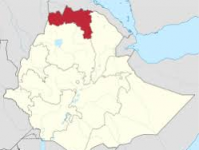
Out of the total 1.2 billion birr tax (close to $43 million) income the Tigray Region of Ethiopia has collected in the first six moths of Ethiopian fiscal year started July 8, 2018, over 50% has come from political party companies.
The National Bank of Ethiopia (NBE), the agency in charge of regulating the financial sector of the country, is set to introduce a regulation that will allow Ethiopians in the diaspora to invest in the financial sector.
The Addis Ababa City Government Revenue Authority has collected 18 billion birr (around $663 million) during the first six moths of the Ethiopia’s current fiscal year started July 8, 2018.
The European Investment Bank agreed EUR 3.3 billion ($3.74 billion) of new financing in 2018 for private sector and infrastructure investment in 20 African countries.
As part of investment incentive, the Ethiopian Ministry of Revenue has provided duty free import privilege of 65 billion birr (around $2.4 billion at the prevailing exchange rate) in the past six months.
We use cookies and similar technologies to ensure site functionality, analyze performance, and improve communications services. Essential cookies are always enabled.