By Africa Risk Control – Land access remains one of the most sensitive and underestimated risk areas in Chad. While formal titles and concessions are necessary, they are rarely sufficient to ensure operational continuity—particularly outside central and southern zones.
Community dynamics, traditional authority structures, and local expectations play a decisive role in whether projects proceed smoothly or encounter resistance. These factors become more pronounced during periods of political stress, displacement, or heightened security sensitivity.
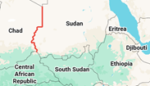
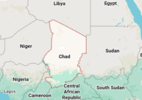
Eastern regions face particular challenges due to humanitarian congestion and land pressure linked to refugee inflows. Northern zones present structural difficulty due to weak civilian administration and armed-actor dynamics, according to a new country report by Africa Risk Control. Even in more feasible southern and central areas, inadequate engagement can trigger disputes that disrupt operations long after formal approvals are secured.
Africa Risk Control’s Chad 2026 report examines land risk through the lens of maintained consent rather than one-time acquisition. The report highlights why projects fail when national-level agreements are not matched by local alignment and why benefit-sharing, authority mapping, and timing matter.
For investors, NGOs, and infrastructure developers, understanding land access as an ongoing relationship is critical. The Chad 2026 report is available for stakeholders seeking realistic insight into land and community-related risk.
EDITOR’S NOTE: Africa Risk Control (ARC) is launched by a group of award winning business & investigative journalist and due diligence experts in Africa to help global investors, corporations, and institutions make confident decisions in Africa’s dynamic markets.
Unlike traditional consultancies, ARC is powered by a network of investigative and business journalists in dozens of African countries. With boots on the ground, Africa Risk Control uncovers realities beyond desk research — from hidden ownership structures to political exposure, regulatory shifts, and reputational risks.