How a Chinese Company Lost Millions to a Fake Ethiopian Partner — Top 5 Red Flags When Partnering in Africa – By Africa Risk Control (ARC)
Africa remains one of the world’s most promising investment frontiers — but beneath the opportunity lies a complex web of risks. One recent case shows how easily deals can go wrong: a Chinese supplier lost millions of dollars in merchandise to an Ethiopian “agent” who vanished after failing to repay credit extended for goods sold in Ethiopia.
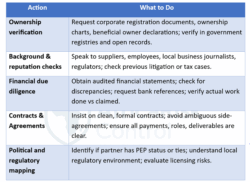
The story is a wake-up call for foreign investors rushing into partnerships without proper due diligence. Here are five common red flags ARC analysts say every investor should watch for:
1. Unverified Company Ownership
Many so-called “local partners” use borrowed or falsified trade licenses to appear credible. Investors often realize too late that the listed owners or directors don’t even exist. A quick registry check could save millions.
2. No Operational Footprint
Having a logo or website doesn’t mean a company operates for real. Always verify whether they have an office, employees, and an import/export record.
3. Hidden Legal or Tax Issues
Some firms mask ongoing court cases or unpaid taxes under new names. Always screen for litigation and tax compliance.
4. Politically Connected Shell Companies
Entities owned by politically exposed persons (PEPs) may thrive briefly but collapse with regime changes, leaving foreign partners stranded.
5. Fake Agency and Credit Fraud Schemes
In one shocking case, a Chinese company gave millions of dollars’ worth of goods on credit to an Ethiopian who opened an “agent office” in Guangzhou. When the agent failed to collect payment from local buyers in Addis Ababa, he fled Ethiopia. Chinese suppliers later posted his photos around Addis Ababa markets in a desperate attempt to locate him.
A basic background check — confirming business registration, trade license, and customs history — could have prevented the loss. As Africa Risk Control (ARC) emphasizes, due diligence is not an optional step; it’s an investor’s first line of defense. Read the full article on ARC
EDITOR”S NOTE: This article is contributed by the Africa Risk Control (ARC), an investigative due diligence and corporate intelligence firm. ARC is an affiliate of NewBusinessEthiopia.com and provides expert country-specific business insights, risk assessments, and advisory services across Africa. Learn more about ARC services here.