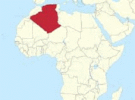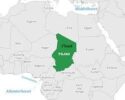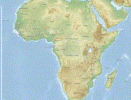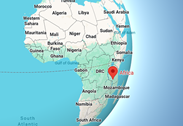
The World Health Organization (WHO) said from 1 January to 2 November 2025, a total of 20 412 suspected diphtheria cases, including 1 252 deaths (an average case fatality ratio [CFR] – 6 %) have been reported across eight Member States in the WHO African Region (Algeria, Chad, Guinea, Mali, Mauritania, Niger, Nigeria, and South Africa).
Several of these countries have been experiencing ongoing outbreaks since 2023. Children and young adults represent the majority of the cases, with females accounting for a slightly greater proportion. Case confirmation and management remain constrained. Laboratory confirmation remains low due to shortages of diagnostic supplies and limited testing capacity. At the same time, the global shortage of diphtheria antitoxin (DAT), and uneven clinical capacity to provide this essential treatment, pose significant challenges for effective case management.
Diphtheria is a severe infectious disease caused by the gram-positive bacterium Corynebacterium diphtheriae or, less commonly, toxigenic strains of other Corynebacterium species. Infection may lead to respiratory disease, cutaneous disease, or an asymptomatic carrier state. The primary mode of transmission rests on close contact with infectious material from respiratory secretions or from skin lesions. The only known reservoir for C. diphtheriae are humans.
Diphtheria is a vaccine-preventable bacterial disease which can lead to severe systemic complications, including myocarditis, kidney failure, and neurological damage. Many of the affected countries are fragile, conflict-affected or have system vulnerabilities where health systems are overstretched, routine services are disrupted and access to essential services is limited. These settings are characterized by high population mobility, and crowded living conditions, especially among displaced populations.
WHO continues to work across all levels of the organization to identify and implement the most appropriate mechanisms to support affected countries and mitigate the impact of the outbreaks. Given this context, the regional public health risk is assessed as high due to the potential for further geographic expansion of outbreaks, high case fatality rates, insufficient resources for outbreak control, and limited surveillance and laboratory systems. At the global level, the public health risk is considered low, as most countries outside the African Region have established immunization programs and adequate surveillance systems, according to WHO.
Africa Risk Control (ARC) offers comprehensive country risk analysis and investment advisory services to assist investors in navigating Ghana’s dynamic market. Our expertise ensures informed decision-making and strategic planning.