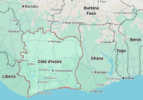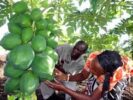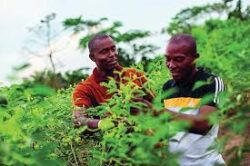
By Africa Risk Control West Africa Desk – Côte d’Ivoire continues to stand out as one of West Africa’s most dynamic agricultural economies. Renowned globally for cocoa and cashew production, the country also offers diverse opportunities in staples, horticulture, and agro-processing.
Its strategic location, fertile land, and growing processing infrastructure make it a key hub for regional trade and investment.
In 2024, agriculture contributed roughly 18% of the country’s GDP and employs a significant portion of the labor force, highlighting its vital economic and social role. Investors are increasingly drawn to Côte d’Ivoire not only for export-oriented crops but also for value-added production, which enhances profitability and sustainability.
Cocoa: Core Sector with Investment Potential
Côte d’Ivoire’s cocoa production remains a global benchmark, reaching about 1.8 million metric tons in 2024/25, reflecting a notable recovery from prior seasonal fluctuations. While weather events and plant diseases pose ongoing challenges, the sector continues to attract investments in processing, quality control, and sustainable sourcing, providing premium returns for compliance-focused producers.
Value addition extends beyond beans to cocoa butter, cocoa powder, chocolate, and derivatives, making it a lucrative entry point for investors and agribusinesses targeting international markets.
Cashew: Growth Driven by Local Processing
As the largest cashew producer worldwide, Côte d’Ivoire has scaled up domestic processing from roughly 68,500 tons in 2015 to 350,000 tons in 2024, boosting export readiness and creating opportunities for private investment. The 2025 harvest is projected at 1.3 million metric tons.
Enhanced processing capacity not only increases profitability but also strengthens Côte d’Ivoire’s position in regional and global value chains. Export-oriented investors are advised to explore market diversification strategies and establish partnerships with local cooperatives to mitigate potential trade or currency risks.
• Thinking of Investing in Côte d’Ivoire in Agriculture?
- Through our network of investigative and business journalists in 32 plus African countries, we provide verified, boots-on-the-ground insights to help investors make confident decisions.
- Trusted by international investors and NGOs for our on-the-ground intelligence.
Beyond Cash Crops: Diversified Agricultural Opportunities
Côte d’Ivoire also presents growth prospects in:
– Staple crops: maize, rice, yams, and cassava to meet domestic demand.
– Horticulture: tropical fruits, vegetables, and spices targeting regional and export markets.
– Agro-processing: production of packaged, value-added foods.
– Sustainable farming: climate-resilient practices, irrigation, and modern cultivation techniques.
Government initiatives and incentives for private sector engagement support modernization and technology adoption, making agriculture a fertile ground for innovative investors.
Key Industry Players
Several organizations dominate and shape Côte d’Ivoire’s agro-economy:
– Cargill Côte d’Ivoire – cocoa sourcing, logistics, and processing.
– Olam International – integrated cocoa and cashew supply chains.
– Touton Côte d’Ivoire – trading and marketing of cocoa products.
– SIFCA Group – palm oil, sugar, and agro-processing initiatives.
– Local cooperatives – critical in smallholder cocoa and cashew production.
Regional and Market Opportunities
The ECOWAS market, encompassing over 400 million people, offers extensive regional demand for Ivorian agricultural exports. Strategic trade agreements, coupled with investments in transport, storage, and logistics, amplify the country’s competitiveness in West Africa.
Challenges and Strategic Considerations
Investors should consider:
– Price volatility in commodities markets.
– Environmental and climate-related risks.
– Infrastructure limitations in rural areas.
– Regulatory compliance and licensing requirements.
– Ensuring fair labor practices and support for smallholder farmers.
Mitigation Approaches
– Secure long-term contracts or implement hedging mechanisms to stabilize revenues.
– Adopt climate-smart technologies such as irrigation systems and drought-tolerant crops.
– Partner with government programs to access technical and infrastructural support.
– Implement community engagement strategies for sustainable operations.
– Consider agricultural insurance products to reduce exposure to production risks.
Outlook and Future Prospects
Côte d’Ivoire’s agriculture sector is expected to maintain strong growth, supported by processing infrastructure, sustainable agriculture practices, and regional trade integration. By addressing challenges such as climate adaptation, market diversification, and supply chain efficiency, investors can capitalize on the sector’s immense potential and contribute to economic development and food security.
• Thinking of Investing in African countries?
- Through our network of investigative and business journalists in 32 plus African countries, we provide verified, boots-on-the-ground insights to help investors make confident decisions.
- Trusted by international investors and NGOs for our on-the-ground intelligence.