
By BEHAK – Reputational challenges can arise unexpectedly for organizations operating in the development sector. NGOs work in environments shaped by complex social realities, public expectations, and evolving policy frameworks. Even well-managed programs may occasionally face scrutiny or criticism.
When reputational concerns emerge, the way organizations respond often determines whether trust is restored or further weakened. Many institutions instinctively focus on defending themselves against allegations or misunderstandings. While clarifying facts is important, reputational recovery requires more than issuing statements. It depends on transparency, engagement, and sustained credibility.
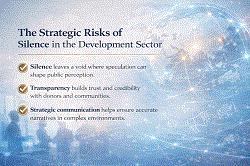
Across Africa, development organizations frequently operate in contexts where narratives evolve rapidly. Media reports, social media discussions, and policy debates can shape public perceptions quickly. If organizations respond defensively or remain silent, uncertainty may persist among stakeholders.
Transparent communication provides a more effective path. When NGOs acknowledge challenges openly and explain how issues are being addressed, they demonstrate accountability. Donors, government partners, and communities are more likely to maintain confidence in institutions that communicate honestly during difficult moments.
Another important aspect of recovery involves restoring narrative balance. During periods of scrutiny, public attention often focuses narrowly on a single issue while overlooking the broader impact of an organization’s work. Sharing information about ongoing programs, partnerships, and community engagement helps ensure that stakeholders understand the full scope of the organization’s activities.
Independent media coverage also contributes to reputational recovery. Responsible journalism can provide context that helps audiences interpret events accurately and distinguish isolated incidents from systemic concerns.
Community dialogue plays an equally important role. Beneficiaries who experience programs directly often have valuable perspectives on their effectiveness. Maintaining open communication with communities helps ensure that reputational narratives reflect on-the-ground realities.
Reputation is rarely rebuilt overnight. Trust develops through consistent behavior over time. Organizations that demonstrate transparency, professionalism, and commitment to learning from challenges often regain credibility and strengthen stakeholder relationships.
For NGOs operating across Africa’s development landscape, reputational resilience is closely linked to institutional maturity. By responding to challenges thoughtfully and maintaining focus on their mission, organizations can rebuild trust and continue delivering programs that support communities and development goals.