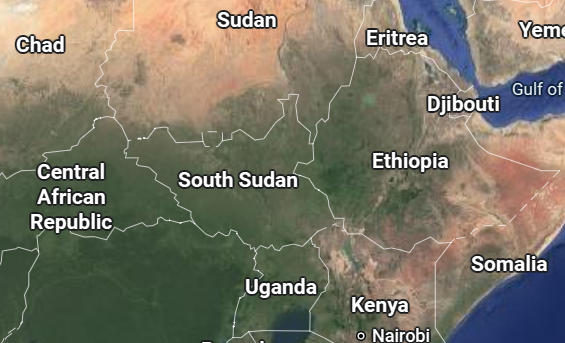

A new report by Refugees International urged the United States Government to restore funding for humanitarian aid in Ethiopia for activities critical to addressing sexual violence and sustaining peace mainly in Tigray Region.
In its recommendations to the US Government, the report said: “Invest in women-specific sexual violence mitigation initiatives by local groups, including safehouses and hotlines to rescue women in crisis. Use diplomatic leverage to pressure the government of Ethiopia to include women in meaningful ways in political processes, such as the enforcement of the Pretoria Agreement, and in rebuilding and recovery initiatives in the region.”
The organization’s report, “Women’s Bodies Were the Battleground”: Survivors Left Behind amid Tigray’s Uncertain Peace, also highlighted the need for expanding access to HIV/AIDS medication, increasing the supply of clean water and latrines, and providing mental health support.
It also calls on Prime Minister Abiy Ahmed’s administration to enforce the entirety of the Pretoria Agreement – most notably the requirement that armed groups, including Amhara and Eritrean forces, vacate western Tigray – to ensure safe returns for the Internally Displaced Persons (IDPs)”.
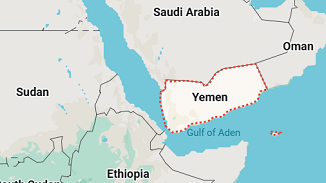
Reports show that the health system in Ethiopia, which had been relatively advanced prior to the conflict and was directly targeted by armed groups during the war, remains limited. Hospitals and clinics are still in rubble, and many doctors and nurses fled during the conflict, unable to serve those in need. Social services remain restricted, and food and water are even more difficult to access due to the devastating aid cuts of 2025. Taken together, the toll of years of conflict and global aid cuts have decimated Tigray’s economy, destroyed schools and businesses, and reduced opportunities for stable work. Many of Tigray’s young people are now deciding that conditions are unbearable and that their future is too uncertain, choosing instead to take treacherous and expensive journeys northward to places like Saudi Arabia, other Gulf states, and Europe. In just 2025 alone, hundreds of migrants on this journey drowned or disappeared.
The report urged the Government of Ethiopia “to invest in the rebuilding of Tigray by funding the reconstruction of hospitals and clinics as well as expanding access to social services across the region to protect IDPs in line with international obligations and standards. Ensure women have a meaningful role in policy and decision-making, including in the ways the Pretoria Agreement is carried out. An advisory council composed of women would be one step toward improving women’s participation in policy and decision-making.
In its plea to the UN and international aid agencies, the report urged to scale up broader humanitarian assistance in Tigray, while recognizing that mental health and psychosocial support (MHPSS), livelihoods, and other protection interventions are lifesaving and should be included and prioritized within humanitarian assistance. It also highlighted the need to channel resources to local groups, which are leading the community-level response. Support these groups with technical assistance and in connecting them directly with funders.
The Tigray War, which lasted from 2020 through 2022, has been one of the most deadly in recent history. An estimated 600,000 people were killed – a staggering death toll for a two year period. By comparison, the brutal conflict in Gaza killed nearly 70,000 people over two years and the bloody war in Sudan has killed more than 150,000 since April 2023. The Commission of Inquiry on the Tigray Genocide (CITG) found evidence of mass atrocities, ethnic-based violence, and widespread displacement across the region. Tigray’s conflict ended with the Pretoria Agreement in November 2022, but the agreement itself has not been fully implemented. This has left people in Tigray in a precarious situation, and the region is now facing escalating tensions and uncertainty.
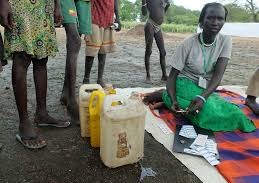
In the years following the Pretoria Agreement should have been years when displaced people returned home and rebuilt their lives and the region recovered. Instead, Tigray’s population – especially its nearly 800,000 IDPs – has seen what little aid they were receiving diminish or disappear entirely. Many people have been left in conditions as dire as, if not worse than, before. Displaced families still huddle in schools, seeking temporary shelter in overcrowded, unsanitary, and unsafe conditions. Nearly half of Tigray’s students are now in their fifth year without regular school.