
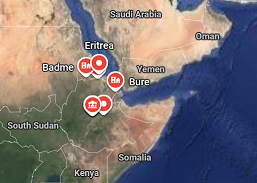
By Africa Risk Control (ARC)- The 2018 peace between Ethiopia and Eritrea once held promise of transformation. With embassies reopened, trade corridors reactivated and a diplomatic reset in motion, both nations began to shift resources from war toward development. For Ethiopia, it meant pathways to the Red Sea; for Eritrea, potential for economic opening and reduced military burden.
Yet a sharp shift has emerged. On social media and in formal letters to the United Nations, officials are engaging in a war of words. Eritrea’s minister of information called it “the war-mongering psychosis that has gripped certain political circles in Ethiopia.” Eritrea’s president warned bluntly: “If he thinks he can overwhelm Eritrean forces with human-wave attack, he is mistaken.”
Meanwhile, Ethiopia addressed the UN accusing Eritrea of “actively preparing to wage war against Ethiopia,” while publicly affirming it “has not entered into a war of words … despite provocation from the other side.”
Why does this matter? These statements are not mere rhetoric—they reflect shifting strategy and increasing risk. When publicly declared, deterrence becomes harder to retract without loss of credibility. The most likely near-term path is escalating skirmishes and proxy attacks, rather than outright war—but that still carries heavy human, financial and regional cost. Displacement of border communities, disrupted trade and investor pull-back are real and immediate threats.
For the Horn broadly, stability between the two neighbours is critical. A return to hostility would challenge the Red Sea access Ethiopia so urgently seeks, undermine regional integration efforts, and could pull in neighbouring states already coping with their own conflicts. If the peace unravels, the shift from hope to hazard would be fast.
At this moment, the region remains at a crossroads. Investment flows and development projects hinge on confidence. The question now is: will both governments return to diplomacy and dialogue, or slip into patterns of confrontation that echo the past? The full risk-analysis is available on Africa Risk Control’s website.