
By Africa Risk Control (ARC) – Nigeria remains Africa’s largest oil producer and one of its most resource-rich economies, yet the road for investors is far from smooth. The country’s oil and gas sector contributes roughly 6.5% of GDP while accounting for nearly 90% of export revenue, making it the backbone of Africa’s biggest economy. For foreign investors, this combination of scale and dependency presents both enormous opportunity and significant risk.
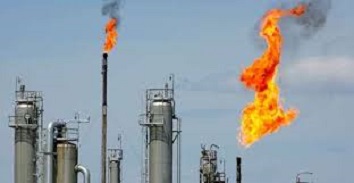
In recent years, global oil price fluctuations, infrastructure constraints, and policy delays have weighed heavily on performance. Despite crude output rebounding to around 1.5 million barrels per day in 2025, Nigeria still produces below its OPEC quota, losing billions annually to pipeline vandalism and illegal tapping — a problem estimated to cost the government $2 billion each year. Beyond losses, these disruptions can delay projects, inflate operational costs, and undermine investor confidence.
Reforms under the Petroleum Industry Act (PIA) have aimed to modernize licensing, improve transparency, and attract private investment. Several upstream licensing rounds and new gas infrastructure initiatives signal government intent to open the sector to both international and local investors. Yet the reality on the ground remains complex.
Currency volatility, capital repatriation hurdles, and inconsistent regulatory enforcement continue to challenge foreign entrants. Security risks in the Niger Delta — from militant activity to community protests over environmental concerns — remain persistent threats.
Despite these challenges, opportunity still exists. Nigeria holds vast untapped natural gas reserves, a growing domestic fuel market, and critical projects in refining and petrochemicals that could transform energy logistics. For investors who understand the landscape, the sector offers long-term potential. However, success increasingly hinges on intelligence, local knowledge, and rigorous due diligence.
“Foreign companies must verify operational partners, legal frameworks, and on-ground realities before committing capital,” emphasizes Africa Risk Control (ARC), a firm specializing in corporate due diligence and risk analysis across Africa. The firm’s latest report outlines how investors can navigate operational, financial, and regulatory risks while identifying viable entry points.
Key mitigation strategies include partnering with credible local operators, structuring contracts to protect investments, monitoring political and security developments, and budgeting for community engagement and environmental compliance. These measures, experts argue, are no longer optional but essential for any successful investment in Nigeria’s energy sector.
Read the full Insight on AfricaRiskControl.com for an in-depth look at Nigeria’s oil and gas opportunities and the practical steps investors must take to protect their capital.